When we hear the word feminism, what usually comes to mind? Rights, independence, equality? At its core, feminism is meant to stand for fairness and justice, yet in our society the term has often been misunderstood, misused, or even exploited. Broadly speaking, there are two types of women who call themselves feminists. The first group genuinely strives for equality in their professional roles, personal lives, and societal standing. For them, feminism is about demanding respect and recognition, not superiority. The second group, however, uses feminism in the wrong way. For them, calling themselves feminist has become trendy or “cool.” They use it as a shield to justify going off track, behaving disrespectfully, or unfairly targeting men. To these women, hating men equals feminism, which is far from its true meaning. This misuse creates injustice for men, who sometimes become victims when faced with such distorted versions of feminism.
The problem arises when feminism is twisted into a tool for privilege rather than equality. For some, it becomes a reason to demand advantages without responsibility, a trend to bash men while ignoring the challenges men face such as mental health struggles, financial pressures, or societal expectations, and even a justification for rudeness and disrespect disguised as empowerment. This distorted narrative not only damages men but also misguides younger generations, especially through social media, where radicalized voices dominate and influence perceptions.
Every year, events like the Aurat March become controversial. While raising voices for rights and justice is never wrong, many banners, slogans, and behaviors displayed during such events do not resonate with our cultural and religious values. We live in an Islamic state where modesty is emphasized, and our youth are increasingly influenced by the wrong portrayal of feminism, confusing rebellion with empowerment. It is crucial to remember that Islam grants women immense respect and rights, but within defined boundaries. Women are encouraged to cover themselves, care for their families, and maintain dignity in society. At the same time, Islam elevates women by granting them inheritance rights, the right to education, respect as mothers, and recognition as equal partners in society. True equity lies in following this balance: rights with responsibilities, freedom with respect, and equality with values.
The debate over feminism, however, is not confined to Pakistan, it is global. According to IPSOS, 32% of men worldwide believe feminism does more harm than good, and 20% of women share this view. A King’s College London survey found that 16% of Gen Z men (ages 16–29) consider feminism harmful, higher than the 13% of men over 60 who feel the same. Globally, men are more likely than women to believe feminism has caused men to lose economic, social, or political power. On social media platforms like X (formerly Twitter), nearly 50% of posts about feminism are negative, and anti-feminist accounts often use insults and stereotypes three times more frequently than feminist accounts. Even corporations have commodified feminism, using slogans like “The Future is Female” to market products. This selective adoption of feminist language reinforces stereotypes rather than addressing real issues of gender equality.
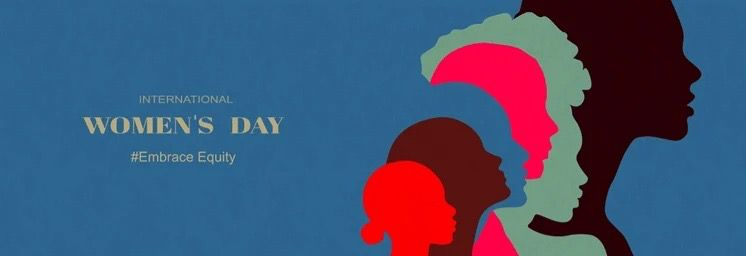
The essence of feminism is not about hating men, seeking privileges, or promoting disrespect. It is about equity, justice, and opportunity for all, values already embedded in Islam and universally acknowledged human rights. If feminism is to achieve its true purpose, it must be reclaimed from misuse, distortion, and commercialization. Only then can it inspire a healthier society where both men and women coexist with dignity, fairness, and respect.
About Writer : Maryam is a creative writer who believes in the power of words to shape perspectives and spark meaningful conversations. Her work reflects clarity, creativity, and a deep appreciation for purposeful storytelling.